The frozen meat export industry has become one of the fastest-growing segments in global food trade. With increasing demand for safe, affordable protein, countries across Asia, Africa, and the Middle East are turning to trusted exporters for high-quality frozen chicken, beef, and other meat products.
If you’re looking to start a frozen meat export business, this comprehensive guide will walk you through every step — from sourcing and processing to packaging, logistics, and building international partnerships.
🌎 Why the Frozen Meat Export Business is Booming
Global meat consumption continues to rise, and so does the preference for frozen meat. The frozen meat export market benefits from advances in cold-chain logistics and food preservation technology, allowing suppliers to ship products thousands of miles while maintaining freshness and quality.
Some key factors driving this growth include:
-
Urbanization and busy lifestyles: Consumers want convenient, long-lasting protein options.
-
Improved freezing technology: Modern IQF (Individual Quick Freezing) ensures taste and texture.
-
Global trade agreements: Countries like Brazil, the U.S., and Australia have established strong export frameworks for meat.
-
Rising demand in emerging markets: Africa and Asia rely heavily on imports of frozen poultry and beef to meet protein needs.
For instance, Brazil Poultry Exports has become a trusted name in the frozen meat export industry, providing premium-quality frozen chicken and beef to clients around the world.

🧩 Step 1: Understanding the Frozen Meat Export Market
Before launching your business, conduct thorough market research. Identify:
-
Target destinations: Which countries have high import demand and favorable regulations?
-
Preferred meat types: Chicken, beef, lamb, or specialty meats.
-
Pricing and competition: Compare market prices and competitor offerings.
-
Consumer preferences: For instance, halal certification is essential in Middle Eastern markets.
Data from FAO and global trade platforms can help forecast trends and price fluctuations, giving your frozen meat export business a competitive edge.
🏭 Step 2: Choosing the Right Supply Source
Your suppliers determine your product quality — and your reputation. Partner only with certified producers who follow international food safety standards such as:
-
HACCP (Hazard Analysis Critical Control Point)
-
ISO 22000
-
Halal Certification
-
Veterinary Health Certification
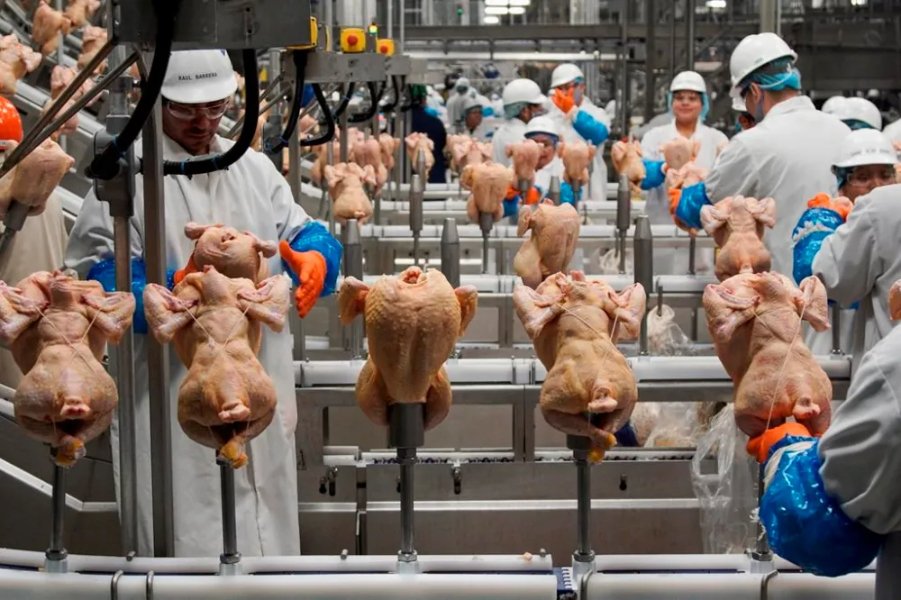
At Brazil Poultry Exports, all frozen meat products are processed under strict hygienic conditions and stored in temperature-controlled facilities to ensure optimal freshness.
Explore their product lines:
These categories showcase the diverse range of meats available for export, from whole chickens and leg quarters to premium beef cuts and offals.
📦 Step 3: Packaging and Labeling Requirements
Proper packaging is critical in the frozen meat export business. It ensures safety, preserves quality, and meets the legal requirements of importing countries.
Key considerations include:
-
Vacuum sealing: Minimizes air exposure and prevents freezer burn.
-
Temperature control: Maintain between –18°C to –25°C during transport.
-
Labeling: Include production date, expiry date, storage instructions, weight, and country of origin.
-
Customs compliance: Some countries require labeling in their local language.
High-quality packaging not only keeps meat fresh but also builds trust with international buyers.
🚚 Step 4: Mastering Cold Chain Logistics
The backbone of a successful frozen meat export operation is an unbroken cold chain — from slaughterhouse to port to destination.
Cold chain stages include:
-
Processing and Freezing: Rapid freezing to lock in freshness.
-
Storage: Use temperature-monitored warehouses.
-
Transportation: Refrigerated trucks and containers maintain the cold chain.
-
Distribution: Efficient offloading and storage at destination ports.
Any break in this chain can lead to spoilage and losses, so it’s crucial to work with reliable logistics providers specializing in frozen goods.
💰 Step 5: Setting Up the Business and Legal Framework
Starting a frozen meat export business requires compliance with both local and international laws.
Checklist:
-
Register your business and obtain an export license.
-
Get veterinary and sanitary approvals for your processing facility.
-
Apply for Halal and Health Certificates for target markets.
-
Verify import regulations and tariffs of your destination countries.
Working with government trade agencies or chambers of commerce can streamline the documentation process and open doors to export incentives.
🤝 Step 6: Building Global Partnerships
In this industry, strong relationships matter. Partner with reliable importers, distributors, and retailers who understand local markets. Attend international food expos, trade fairs, and B2B networking events to build visibility.
Platforms like Brazil Poultry Exports demonstrate how consistent supply, product quality, and transparent operations build long-term client trust in the frozen meat export sector.
📈 Step 7: Marketing Your Frozen Meat Export Business
Once your operations are running, focus on digital marketing and brand visibility. Use a mix of strategies such as:
-
SEO-optimized website: Target keywords like frozen meat export, frozen chicken supplier, frozen beef exporter.
-
Social media marketing: Showcase product photos, cold chain videos, and client testimonials.
-
Content marketing: Publish blogs on meat safety, recipes, and market trends.
-
Email campaigns: Keep distributors updated on new product arrivals or price changes.
Consistency in communication builds credibility and attracts international buyers looking for a dependable frozen meat export partner.
🌐 Step 8: Sustainability and Quality Assurance
Sustainability is no longer optional — it’s a market demand. Many countries now prefer suppliers who adopt eco-friendly practices and traceable sourcing.
Best practices include:
-
Using energy-efficient cold storage facilities.
-
Ensuring humane animal treatment.
-
Reducing waste in packaging.
-
Implementing traceability systems for product tracking.
Brands that prioritize ethics and quality assurance gain a competitive edge in the global frozen meat export market.
📊 Step 9: Monitoring Global Meat Price Trends
Understanding price trends is vital for profitability. The frozen meat export market is influenced by factors like feed costs, fuel prices, trade policies, and seasonal demand.
For example:
-
Rising grain prices increase livestock costs.
-
Import restrictions in one region can shift demand elsewhere.
-
Currency fluctuations affect profit margins.
By monitoring global trade data and building flexible pricing models, you can keep your export business stable even in volatile markets.
🧠 Step 10: Scaling Your Frozen Meat Export Business
Once your supply chain is stable and customer base grows, consider scaling through:
-
Expanding product lines: Add new cuts, processed items, or ready-to-cook options.
-
Entering new markets: Target regions with increasing meat consumption.
-
Investing in branding: Create strong visual identity and multilingual packaging.
-
Automation and technology: Implement smart logistics and digital inventory systems.
Partnering with reliable exporters like Brazil Poultry Exports can simplify expansion by leveraging existing trade relationships and logistics networks.
💡 Final Thoughts
The frozen meat export business offers immense potential for entrepreneurs who prioritize quality, safety, and sustainability. With proper planning, reliable suppliers, and strong marketing, you can build a brand that reaches customers across continents.
Whether you’re focusing on frozen chicken or frozen beef, success depends on mastering logistics, maintaining product integrity, and staying informed about market dynamics.
By following this guide and aligning with experienced partners such as Brazil Poultry Exports, your frozen food export business can thrive in the global marketplace.

