In today’s interconnected global economy, sugar isn’t just a pantry staple — it’s a strategic commodity powering industries across the world. From confectionery giants to beverage manufacturers, sugar plays a vital role in keeping supply chains running smoothly. And when it comes to sourcing high-quality sugar at competitive prices, no country stands taller than Brazil.
If you’re exploring international sugar suppliers, understanding why a Brazilian sugar exporter offers unmatched value can be the key to your business growth. Brazil’s sugar industry combines vast agricultural expertise, advanced refining technology, and strong logistics infrastructure — making it the world’s most reliable and cost-effective sugar source.
In this comprehensive guide, we’ll uncover why Brazil dominates the global sugar export market, what makes its exporters stand out, and how you can partner with a trusted company like Brazil Poultry Exports for seamless sugar sourcing.
The Rise of Brazil as the World’s Leading Sugar Producer
Brazil’s connection with sugar dates back centuries, but its dominance in modern trade truly began in the late 20th century. Today, Brazil accounts for more than 35% of global sugar exports, producing over 40 million tons annually.
The tropical climate, fertile soil, and vast agricultural land create the perfect conditions for sugarcane cultivation. Brazilian farmers harvest millions of hectares of sugarcane each year, much of which is processed for both ethanol and raw or refined sugar exports.
The success of every Brazilian sugar exporter stems from this strong agricultural base, coupled with government support and continuous innovation in production technology. With efficient supply chains and sustainable farming practices, Brazil not only meets global demand but sets the benchmark for sugar quality and reliability.
What Makes a Brazilian Sugar Exporter the Best Choice?
Let’s dive deeper into why so many international buyers prefer working with a Brazilian sugar exporter over suppliers from other regions.
1. Unmatched Quality and Purity
Brazilian sugar is globally renowned for its consistency, natural sweetness, and purity. Whether it’s ICUMSA 45 refined white sugar, ICUMSA 150, or raw VHP sugar, Brazil’s refining processes ensure every batch meets strict international standards.
The country’s exporters use advanced processing systems to minimize impurities and ensure uniform granulation. This makes Brazilian sugar ideal for a wide range of uses — from industrial food production to household consumption.
2. Competitive Pricing and Large-Scale Supply
Thanks to economies of scale and optimized logistics, a Brazilian sugar exporter can offer extremely competitive pricing even on large-volume contracts. Brazil’s sugarcane yields are among the highest in the world, meaning exporters can sustain continuous production and meet fluctuating global demands without major price shocks.
3. Sustainable and Ethical Production
Modern buyers are increasingly conscious about sustainability. Brazilian sugar producers have embraced eco-friendly farming methods, including the use of renewable energy from sugarcane byproducts like bagasse.
By working with a Brazilian sugar exporter, you’re often supporting ethical labor practices and environmentally responsible production — values that today’s consumers expect from global brands.
4. Robust Export Infrastructure
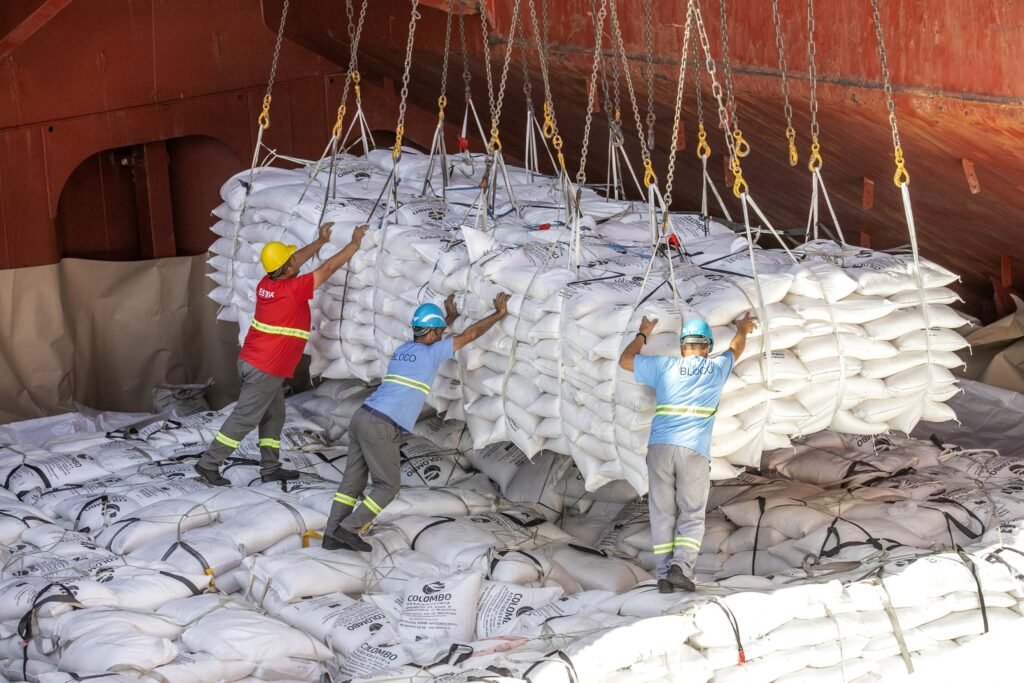
Brazil’s ports, particularly Santos, Paranaguá, and Maceió, are fully equipped for large-scale sugar exports. Exporters leverage these facilities to ensure timely shipping and maintain product integrity. The presence of state-of-the-art storage terminals further guarantees sugar quality until it reaches your destination.
5. Global Reach and Reliability
A reputable Brazilian sugar exporter has established partnerships across continents, supplying to markets in Africa, Asia, Europe, and the Middle East. This experience in handling international trade logistics ensures smooth documentation, efficient customs clearance, and reliable delivery schedules.
The Types of Sugar Offered by Brazilian Exporters
When sourcing sugar internationally, understanding the different types and their industrial applications helps you make the best procurement decision.
A trusted Brazilian sugar exporter typically offers:
1. ICUMSA 45 Refined White Sugar
This is the highest-quality refined sugar — pure, white, and ideal for food, beverage, and confectionery industries. It dissolves quickly, ensuring consistent flavor and texture.
2. ICUMSA 150 White Crystal Sugar
Slightly less refined but still high in quality, ICUMSA 150 is widely used in bakeries, beverages, and food processing where ultra-white color is not critical.
3. VHP Raw Sugar (ICUMSA 600–1200)
VHP (Very High Polarization) sugar is minimally processed and often used by refineries around the world for further purification. It’s also the most traded sugar type in the global commodities market.
Each Brazilian sugar exporter may offer customized packaging options — from 50kg bags to bulk shipments — ensuring flexibility to meet your operational needs.

Partnering with a Trusted Brazilian Sugar Exporter
Finding a reliable partner is crucial for ensuring steady supply and consistent quality. One such trusted name in the industry is Brazil Poultry Exports, a leading player known for its professionalism, transparency, and global logistics expertise.
Although best known for its high-quality poultry exports, Brazil Poultry Exports has also established itself as a dependable Brazilian sugar exporter, offering a full range of premium sugar products sourced directly from top-tier refineries across Brazil.
Here’s what sets them apart:
-
Direct sourcing from verified sugar mills
-
Competitive international pricing
-
Flexible contract options (spot or long-term)
-
Strict adherence to international standards (ICUMSA, SGS, ISO certifications)
-
Expert logistics and on-time global delivery
When you work with Brazil Poultry Exports, you’re not just purchasing sugar — you’re forming a strategic partnership built on reliability and quality.
How to Import Sugar from Brazil: A Step-by-Step Overview
If you’re planning to import sugar from Brazil, here’s a quick overview of the process that any professional Brazilian sugar exporter will guide you through:
1. Submit Your Inquiry
Provide your sugar type, quantity, and destination details. The exporter will prepare a quotation (F.O.B or C.I.F) tailored to your needs.
2. Receive a Proforma Invoice
Once pricing and specifications are agreed upon, you’ll receive a formal proforma invoice detailing all terms and conditions.
3. Finalize Contract & Payment
Contracts are typically secured with Irrevocable Confirmed Letters of Credit (LC) or TT payments, depending on volume and buyer-seller relationship.
4. Quality Inspection & Loading
The exporter arranges third-party inspection (like SGS or Bureau Veritas) before shipping to confirm sugar quality, quantity, and packing.
5. Shipment & Documentation
All essential export documents — including Bill of Lading, Certificate of Origin, and Analysis Report — are prepared and forwarded to ensure smooth customs clearance.
By partnering with an experienced Brazilian sugar exporter, you eliminate unnecessary delays and paperwork challenges, allowing your business to focus on production and distribution.
The Economic Impact of Brazil’s Sugar Industry
Brazil’s sugar industry isn’t just a trade success story — it’s a cornerstone of the national economy. The sector employs millions across farming, refining, and logistics.
Furthermore, the sugarcane industry plays a dual role by supporting Brazil’s renewable energy sector through ethanol production, which reduces carbon emissions and dependence on fossil fuels.
Every Brazilian sugar exporter contributes to this sustainable economic ecosystem — ensuring that global trade continues to benefit both the local community and international buyers.
Future Outlook: Why Demand for Brazilian Sugar Will Continue to Grow
As global demand for sugar and ethanol rises, Brazil’s dominance is expected to strengthen even further. Key growth drivers include:
-
Rising global consumption of processed foods and beverages
-
Increased demand for bioethanol as a clean energy source
-
Modernization of Brazil’s sugar refineries for higher efficiency
-
Expansion of export partnerships with emerging markets
This means working with a Brazilian sugar exporter today sets your business up for long-term stability and access to a dependable supply chain well into the future.
How to Choose the Right Brazilian Sugar Exporter for Your Business
With hundreds of exporters operating in Brazil, choosing the right partner can feel overwhelming. Here are some practical tips:
-
Check Certifications: Ensure your supplier adheres to ICUMSA, ISO, and SGS standards.
-
Verify Export History: Look for established exporters with proven track records.
-
Compare Logistics Capabilities: The right exporter should offer complete documentation, insurance, and reliable shipment tracking.
-
Evaluate Transparency: A genuine Brazilian sugar exporter will provide detailed quotations, not just vague pricing.
-
Build Long-Term Partnerships: Steady contracts often yield better pricing and supply security.
You can start your search by visiting Brazil Poultry Exports’ sugar division page, where you’ll find full product details, specifications, and inquiry forms for international buyers.
Final Thoughts: Partnering with the Best in the Business
In a world where supply chain disruptions are increasingly common, sourcing from a reliable Brazilian sugar exporter gives your business a competitive advantage. From premium ICUMSA 45 sugar to bulk raw sugar shipments, Brazilian suppliers deliver quality, scale, and stability unmatched by any other region.
If you’re serious about ensuring a steady, ethical, and cost-effective sugar supply, Brazil Poultry Exports is a name you can trust. With a solid reputation, strong partnerships with leading sugar mills, and a commitment to global excellence, they are the ideal choice for importers seeking long-term reliability.
By collaborating with a top Brazilian sugar exporter, you not only secure a vital ingredient for your production — you invest in quality, sustainability, and future growth.