
Importing frozen chicken can be one of the most profitable moves for food distributors, wholesalers, supermarkets, and restaurant supply chains. With global demand continuing to rise—especially in Asia, Africa, the Middle East, and parts of Europe—the opportunity to source high-quality poultry at competitive prices has never been greater. This Step-by-step guide to importing frozen chicken worldwide will walk you through every stage, from market research to receiving your shipment, helping you avoid common pitfalls and ensure smooth international trade operations.
Whether you’re a new importer or an experienced buyer expanding your sourcing network, this comprehensive resource will give you the clarity and structure you need to succeed.
Why Import Frozen Chicken?
Before diving into the process, it’s important to understand why frozen chicken is one of the most traded meat products in the world. Frozen poultry is:
-
Affordable compared to fresh or locally produced chicken
-
High in demand due to its versatility
-
Easy to store with a long shelf life
-
Widely available from reputable suppliers like Brazil, one of the largest producers globally
-
Widely certified, especially for Halal markets
If you’re seeking a trusted supplier, you can explore high-quality poultry export options at Brazil Poultry Exports.
In this Step-by-step guide to importing frozen chicken worldwide, you’ll learn exactly what to look for and how to choose the right partners.
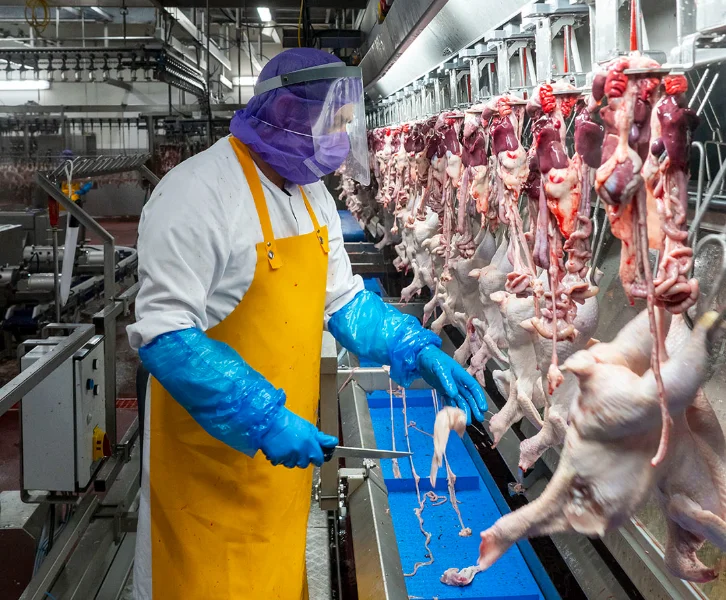
1. Research Your Market and Regulations
The first step in this Step-by-step guide to importing frozen chicken worldwide is to analyze your local market:
-
Demand: Which chicken cuts sell fastest—leg quarters, wings, breast, whole chicken?
-
Competitor pricing: What do other suppliers in your region charge?
-
End-user needs: Are you serving restaurants, supermarkets, or wholesalers?
Next, understand your country’s import regulations, which may include:
-
Import licenses
-
Halal or kosher certification requirements
-
Health and veterinary documentation
-
Tariffs, duties, and taxes
-
Cold-chain compliance rules
Knowing this information upfront prevents delays and unexpected costs.
2. Identify a Reliable Frozen Chicken Supplier
Choosing the right supplier is one of the most important parts of this Step-by-step guide to importing frozen chicken worldwide. The global leader in frozen poultry exports is Brazil, renowned for:
-
State-of-the-art processing facilities
-
Strict hygiene and food safety standards
-
Halal-certified production
-
Large supply capacity for bulk orders
A trusted example is Brazil Poultry Exports, a supplier known for high-quality frozen chicken cuts and global shipping capabilities.
When selecting a supplier, evaluate:
-
Certifications (HACCP, ISO, Halal)
-
Production capacity
-
Export history
-
Customer reviews
-
Packaging quality
-
Consistency in supply
Conduct a virtual or in-person audit whenever possible.
3. Choose the Right Chicken Cuts for Your Market
The next stage in this Step-by-step guide to importing frozen chicken worldwide is understanding which cuts work best for your region. Popular options include:
-
Chicken Leg Quarters (high demand in Africa, Middle East, and Asia)
-
Chicken Wings (popular with restaurant chains)
-
Chicken Breast (favored in fitness-conscious markets)
-
Whole Chicken (Griller)
-
Chicken Drumsticks & Thighs
Each market has different preferences, so align your imports with local demand. A supplier like Brazil Poultry Exports offers diverse cuts suitable for all global markets.
4. Verify Certifications and Quality Standards
In this Step-by-step guide to importing frozen chicken worldwide, verifying certification is essential. Always ensure your supplier holds the following:
Food Safety Certifications
-
HACCP
-
ISO 22000
-
GMP (Good Manufacturing Practices)
Religious Certifications
-
Halal (key for Middle Eastern, African, and Asian markets)
Health Documents
-
Veterinary inspection certificates
-
Health certificates from government authorities
Quality chicken should be:
-
Properly frozen at –18°C or below
-
Individually quick frozen (IQF) or block frozen
-
Packaged with clear labeling
A trusted supplier like Brazil Poultry Exports includes all required documentation with every shipment.
5. Request a Quote and Negotiate Terms
The next phase in this Step-by-step guide to importing frozen chicken worldwide is requesting quotations. Key details to negotiate include:
-
Price per metric ton
-
Minimum order quantity (MOQ)
-
Packaging format
-
Payment terms (TT, LC, deposits)
-
Logistics arrangements
-
Lead time
Frozen poultry is typically priced by the metric ton, with discounts available for large-volume orders.
Be clear about:
-
Whether the price is FOB, CIF, or CFR
-
Insurance coverage
-
Port of loading and discharge

6. Understand Shipping and Cold-Chain Logistics
Shipping is one of the most critical parts of this Step-by-step guide to importing frozen chicken worldwide. Frozen chicken must remain in a controlled environment throughout the journey.
Cold-Chain Requirements
-
Maintained at –18°C or lower
-
Transported in reefer containers
-
Temperature monitored continuously
-
Sealed properly to prevent contamination
Shipping methods include:
-
CIF (Cost, Insurance & Freight)
-
FOB (Free on Board)
-
CFR (Cost & Freight)
Choosing CIF allows the supplier, such as Brazil Poultry Exports, to handle the shipping and insurance for you.
7. Secure Import Documents
This Step-by-step guide to importing frozen chicken worldwide would be incomplete without covering required documentation. You will typically need:
-
Commercial Invoice
-
Packing List
-
Bill of Lading
-
Certificate of Origin
-
Veterinary Health Certificate
-
Halal Certificate (if required)
-
Phytosanitary documents
-
Import license
Your local customs authority will confirm the exact list.
8. Clear Customs and Pay Duties
Customs clearance is often the most challenging step.
Ensure You Have:
-
All accurate documents
-
Customs agent (highly recommended)
-
Import duties and taxes ready for payment
The container will not be released until all formalities are completed. Delays can be costly, especially with frozen goods.
9. Transport to Your Warehouse
Once you clear customs, transport the frozen chicken using refrigerated trucks to maintain the cold chain.
Important tips:
-
Inspect the container immediately
-
Check temperature logs
-
Verify labeling and cartons
-
Confirm product weight and appearance
A good part of this Step-by-step guide to importing frozen chicken worldwide is ensuring quality control upon arrival.
10. Store, Distribute, and Start Selling
Finally, store the imported frozen chicken in your cold warehouse and begin distribution to your customers.
Marketing strategies include:
-
Selling to restaurants, hotels, and catering companies
-
Supplying supermarket chains
-
Offering bulk deals to wholesalers
-
Creating long-term contracts with retailers
Continue monitoring market trends so you can adjust product types or volumes to maximize profit.
Final Thoughts
This Step-by-step guide to importing frozen chicken worldwide has outlined everything you need to know—from research and supplier selection to customs clearance and distribution. Importing frozen poultry is a powerful opportunity for businesses looking to expand into profitable food markets.
To work with a reputable and globally trusted frozen chicken exporter, visit Brazil Poultry Exports.
Whether you’re importing chicken leg quarters, wings, or whole chicken, the right supplier makes all the difference.
This detailed Step-by-step guide to importing frozen chicken worldwide should give you the confidence to start building a successful food import business today.