Introduction: Why Brazilian Frozen Chicken Dominates Global Trade
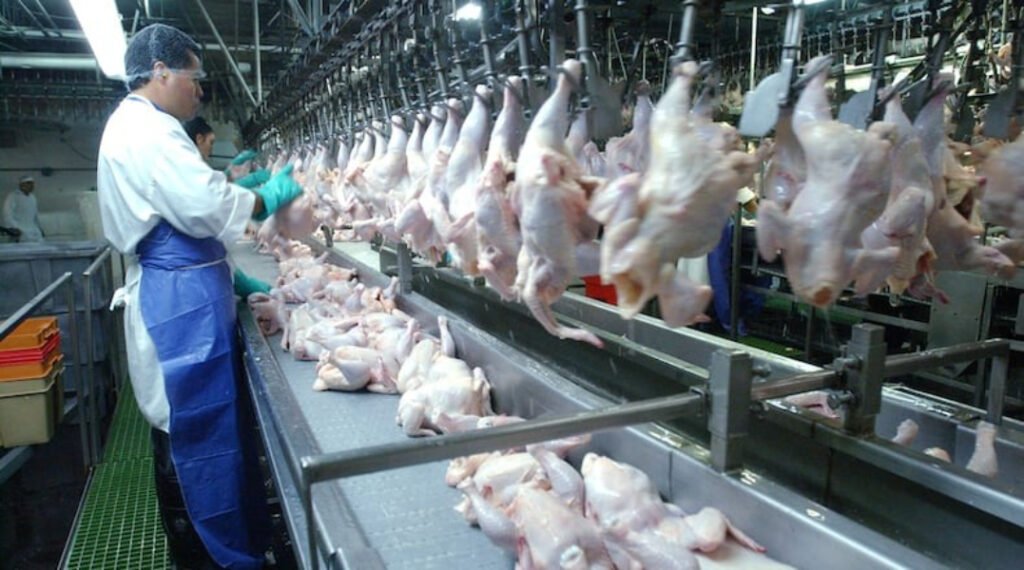
Brazil has become one of the world’s most trusted suppliers of frozen chicken. With advanced processing technology, strict quality control, and internationally recognized food safety certifications, Brazilian poultry exports reach more than 150 countries every year.
If you are an importer, wholesaler, or food distributor searching for a reliable frozen chicken supplier, this guide explains how to import frozen chicken from Brazil step by step — from selecting the right exporter to managing documentation and logistics.

Research the Brazilian Poultry Export Market
Before starting your import process, it’s essential to understand Brazil’s poultry export ecosystem.
- Major production hubs: Paraná, Santa Catarina, and Rio Grande do Sul are leading regions known for modern poultry farms and advanced freezing facilities.
- Certifications: Most reputable exporters hold Halal, ISO 22000, and GACC (General Administration of Customs of China) approvals.
- Export formats: whole frozen chicken, boneless breast, wings, drumsticks, and mechanically deboned meat (MDM).
Brazilian Chicken Association – ABPA provides annual export statistics and trade updates.
When you choose an exporter such as Brazil Poultry Exports, ensure that they meet international health and veterinary regulations and can supply consistent volumes for your market demand.
Identify Trusted Frozen Chicken Exporters
Verified Directories and Trade Platforms
To find credible suppliers:
- TradeKey, Global Sources, and Alibaba list certified exporters.
- Always verify the supplier’s registration number and export license with the Brazilian Ministry of Agriculture (MAPA).
- Check for authentic Halal certification if your target market requires it.
Contact Brazil Poultry Exports directly for verified documentation.
Request Product Catalog and Quality Specifications
When you shortlist exporters, ask for:
- Product list with cut types and packaging sizes
- Storage temperature details (typically –18 °C or lower)
- Shelf life and freezing process (IQF or block-frozen)
- Certificates: Health Certificate, Halal, Veterinary, ISO, Origin Certificate
These documents prove compliance with international food safety standards and help avoid customs delays.
Understand Export Documentation Requirements
Every shipment of frozen chicken from Brazil must include official export papers. Below are the essentials:
| Document | Purpose |
|---|---|
| Commercial Invoice | States exporter/importer details and value of goods |
| Packing List | Describes quantity, packaging, and weight |
| Health Certificate (MAPA) | Ensures products are free from disease |
| Certificate of Origin | Proves Brazilian origin for customs clearance |
| Bill of Lading / Air Waybill | Transport document issued by carrier |
| Insurance Certificate | Protects goods during transit |
(External link →) Brazilian Ministry of Agriculture (MAPA) outlines official export document formats.
Keeping digital copies of all certificates helps speed up clearance in destination ports.
Negotiate Terms and Pricing
Incoterms and Payment Methods
Common international trade terms for poultry exports include:
- FOB (Free on Board) – buyer handles freight and insurance.
- CIF (Cost, Insurance, and Freight) – exporter covers transport up to destination port.
- CNF (Cost and Freight) – similar to CIF but without insurance.
For payment security:
- Letter of Credit (LC) is recommended for new buyers.
- TT (Telegraphic Transfer) is faster for repeat business relationships.
At Brazil Poultry Exports, flexible payment options and transparent pricing make negotiations simple. Request a quotation.
Inspect Quality and Packaging Standards
Proper packaging ensures the frozen chicken maintains freshness during long-distance shipping.
- Vacuum-sealed plastic bags and export-grade cartons prevent contamination.
- Labels must include production date, expiration date, net weight, storage instructions, and Halal certification logo if applicable.
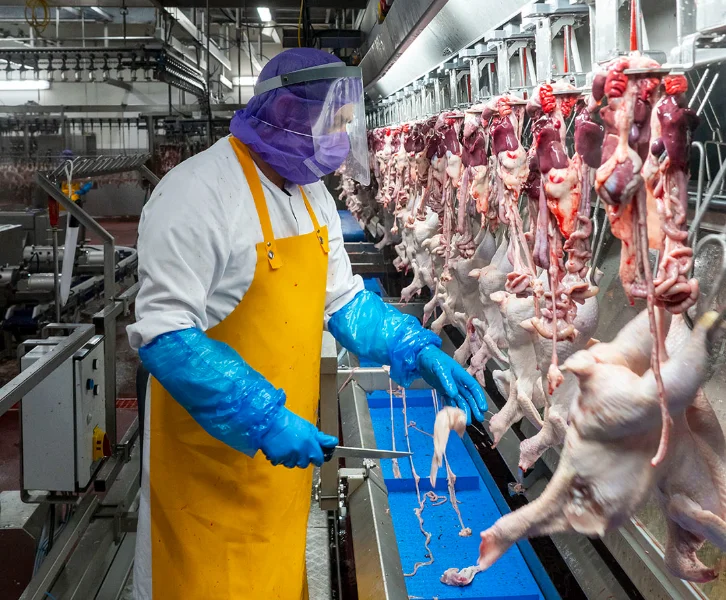
- The exporter should maintain a HACCP-certified cold chain from slaughterhouse to container loading.
Third-Party Inspection
Buyers often appoint inspection agencies such as SGS, Bureau Veritas, or Intertek to verify quality before shipment. This ensures your consignment meets agreed specifications and avoids rejection at destination.
Arrange Cold-Chain Shipping and Logistics
Container Temperature Control
Frozen poultry must be transported at –18 °C to –22 °C in reefer containers. Ensure:
- Temperature loggers are installed for monitoring.
- Seals are applied and recorded in the Bill of Lading.
- Transit time and route are optimized for minimal handling.
Maersk Reefer Logistics provides detailed guidelines for cold-chain freight management.
Insurance Coverage
Marine insurance protects the cargo against loss or spoilage. Always confirm that insurance covers temperature deviation claims.
Customs Clearance in Importing Country
After shipment, your customs broker will need:
- All original documents (invoice, packing list, certificates)
- Import permit from your local food authority
- Health inspection upon arrival
Be aware of tariffs and duties applicable to poultry products in your country. Many nations have bilateral trade agreements with Brazil that can reduce import taxes.
World Trade Organization Tariff Database can help you check applicable duty rates.
Distribute and Market the Imported Chicken
Once customs release is complete, maintain a local cold-storage facility to preserve quality. Use distribution channels such as:
- Retail supermarket chains
- Restaurants and catering suppliers
- Food-service distributors
Promote your imported product’s Brazilian origin, which is widely associated with quality and affordability. Include the exporter’s credentials for trust and transparency.
See product range and packaging styles.
Build Long-Term Partnerships with Brazilian Exporters
The key to consistent profit in poultry import is maintaining strong relationships with reliable exporters. Choose partners who offer:
- On-time delivery
- Flexible packaging sizes
- Transparent communication
- After-sales support
Long-term contracts can help you secure better prices and priority during high-demand seasons.
Partner with Brazil Poultry Exports for long-term supply.
Additional Tips for a Successful Import Operation
- Stay Updated on Sanitary Regulations
Export rules can change based on global health policies. Monitor updates from MAPA and your country’s food safety authority. - Understand Seasonal Pricing
Poultry prices fluctuate based on grain costs and holiday demand. Lock in annual contracts to stabilize costs. - Use Digital Tracking Tools
Modern exporters provide shipment tracking portals for transparency and efficiency. - Focus on Branding
Repackage or co-brand your imported chicken to differentiate it in local markets.
Common Mistakes to Avoid When Importing Frozen Chicke
- Skipping quality inspection – leads to product rejection.
- Ignoring temperature logs – may cause spoilage claims.
- Incomplete paperwork – delays customs clearance.
- Choosing the cheapest freight – hidden risks in unreliable carriers.
- Not verifying exporter credentials – possibility of fraud.
Avoid these pitfalls by partnering only with verified poultry exporters in Brazil who have transparent operations and a proven export record.
Conclusion: Import Frozen Chicken from Brazil with Confidence
Importing frozen chicken from Brazil can be a highly profitable venture when managed correctly. By following this step-by-step buyer’s guide, you ensure product quality, regulatory compliance, and smooth logistics.
Brazil Poultry Exports offers premium-grade, Halal-certified poultry products ready for shipment worldwide. Whether you are importing for wholesale, retail, or food service, our team provides full support from documentation to delivery.
👉 Start your import journey today.
Contact Brazil Poultry Exports to request quotations and product specifications.