Introduction: The Rise of Brazil’s Poultry Powerhouse
In 2025, Brazil poultry exports have reached an all-time high, solidifying the nation’s position as the world’s leading poultry exporter. With vast agricultural resources, advanced farming technologies, and a commitment to quality, Brazilian chicken exports continue to dominate global markets. From Asia to the Middle East, Brazilian poultry has become synonymous with reliability, safety, and competitive pricing.
According to trade data, Brazil exported over 5 million tons of poultry meat in 2025, a figure unmatched by any other country. But what exactly drives this dominance? Let’s dive deep into the factors behind the success of Brazil poultry exports, explore the major importing regions, and look ahead to the industry’s future outlook.
1️⃣ Historical Growth of Brazil’s Poultry Export Industry
The journey of Brazil poultry exports began in the 1970s when the country recognized its potential as a global supplier of animal protein. With abundant corn and soybean supplies — essential components of chicken feed — Brazil rapidly developed a cost-efficient poultry production model.
By 2000, Brazilian chicken exports had already surpassed 1 million tons annually. Fast forward to 2025, and that number has more than quadrupled. The growth stems from a combination of government incentives, advanced genetics, and a strong focus on export-oriented production.
Brazil’s poultry sector thrives under stringent sanitary standards, monitored by the Brazilian Animal Protein Association (ABPA). These rigorous controls have boosted international trust and opened doors to high-value markets like the European Union and Japan.
2️⃣ Key Drivers Behind Brazil’s Poultry Export Dominance
a. Competitive Feed Costs and Resource Advantage
Brazil’s fertile land and favorable climate make it one of the largest producers of soybeans and corn — the backbone of poultry feed. This ensures a steady and affordable supply of nutrition for chicken farms, reducing overall production costs and giving Brazil poultry exports a global pricing advantage.
b. World-Class Biosecurity and Quality Standards
The Brazilian poultry industry has invested heavily in biosecurity, traceability, and animal welfare. Exporting companies implement strict farm-to-fork monitoring to ensure the highest quality and safety. These standards allow Brazilian chicken exporters to meet the requirements of even the most demanding importers.
c. Infrastructure and Cold-Chain Logistics
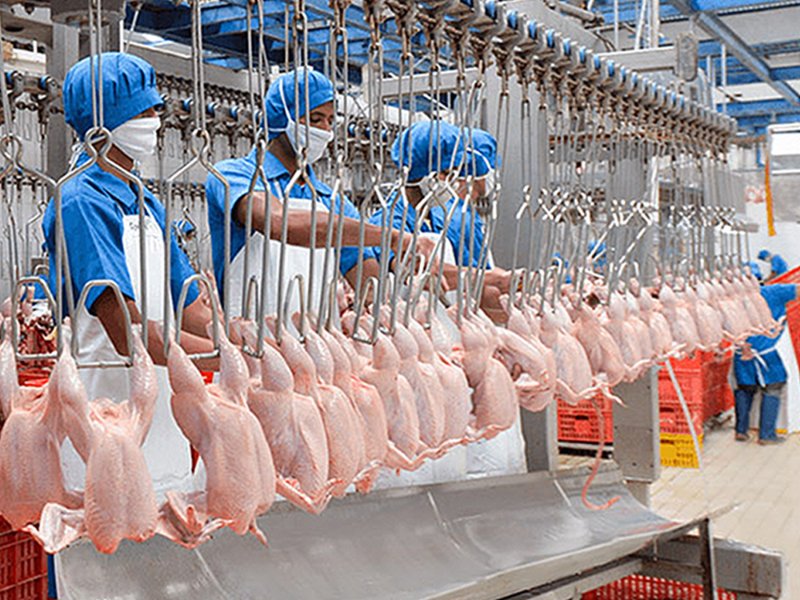
Over the past decade, Brazil has improved its cold-chain infrastructure, ensuring that frozen chicken reaches markets worldwide in prime condition. Ports like Santos and Itajaí have become critical export hubs for Brazil poultry exports, facilitating millions of tons of shipments each year.
You can explore a range of frozen chicken products offered by leading exporters on the Frozen Chicken page.
d. Currency and Competitive Pricing
A relatively weak Brazilian real has made Brazilian chicken exports more competitive globally. Importers from Asia, the Middle East, and Africa find Brazilian poultry affordable without compromising quality.
e. Government Support and Trade Diplomacy
The Brazilian government actively negotiates trade agreements to expand access for Brazil poultry exports. In 2025, new deals with Indonesia, Egypt, and China further strengthened Brazil’s position as the world’s poultry supplier of choice.
3️⃣ Top Export Markets for Brazilian Poultry in 2025
Brazil poultry exports cater to over 150 countries, with strong demand across continents.
1. Asia
China, Japan, and the Philippines are among Brazil’s largest importers. China alone imports nearly 25% of all Brazilian chicken exports, mainly for its food processing sector.
2. Middle East
Saudi Arabia and the United Arab Emirates remain key halal markets. Brazil’s adherence to halal certification has been instrumental in its dominance across Muslim-majority countries.
3. Europe
Despite strict sanitary regulations, Brazil poultry exports have maintained a stable foothold in Europe due to compliance with EU standards and consistent product quality.
4. Africa and Latin America
Emerging economies in Africa and South America import Brazilian poultry for both retail and food service industries. Lower logistics costs and flexible export policies make Brazil an ideal supplier.
4️⃣ Market Diversification: Beyond Chicken
While Brazil poultry exports form the backbone of the country’s meat export portfolio, diversification into other protein categories has strengthened Brazil’s global position.
-
Beef exports: Brazil is also the world’s leading beef exporter, known for high-quality cuts and sustainable farming. You can explore the range of premium frozen beef options on the Frozen Beef page.
-
Pork exports: The country’s pork export sector is expanding rapidly, catering to Asia’s growing appetite for pork products. Visit the Frozen Pork section for details.
This diversification strategy protects Brazil from price fluctuations or trade restrictions in any one sector.
5️⃣ Sustainability and Animal Welfare in Poultry Production
Modern consumers demand ethically produced and environmentally sustainable food. The Brazil poultry export industry has responded with robust sustainability initiatives, including:
-
Feed efficiency: Improved genetics and optimized diets reduce resource use.
-
Renewable energy: Poultry farms increasingly rely on solar power.
-
Waste recycling: By-products from poultry production are repurposed for fertilizers and animal feed.
-
Animal welfare: Brazilian poultry exporters maintain strict humane treatment standards, ensuring ethical practices from hatch to harvest.
These efforts enhance Brazil’s global reputation as a responsible protein supplier.
6️⃣ Economic and Employment Impact
The Brazil poultry export industry supports over 4 million jobs, directly and indirectly. From family-owned farms to multinational exporters, the sector contributes billions to Brazil’s GDP. Rural communities benefit from employment, infrastructure development, and social initiatives led by export companies.
Furthermore, the economic ripple effect extends beyond poultry farms — supporting logistics, packaging, and export services.
7️⃣ Challenges Facing Brazil’s Poultry Export Industry
Even as Brazil poultry exports soar, the sector faces several challenges that must be managed to sustain growth:
a. Disease Outbreaks
Avian influenza outbreaks remain a global concern. While Brazil has strong biosecurity measures, constant vigilance is required to prevent disruptions.
b. Environmental Criticism
Some global watchdogs scrutinize Brazil’s agricultural expansion for potential deforestation. The industry continues working toward deforestation-free certifications and sustainability transparency.
c. Trade Barriers and Protectionism
Import restrictions, tariffs, and changing sanitary regulations can affect market access. The Brazilian poultry export industry relies on diplomatic engagement and diversification to mitigate these risks.
8️⃣ Technological Innovation: The Future of Poultry Production
The future of Brazil poultry exports lies in innovation. Leading poultry producers are adopting advanced technologies such as:
-
Artificial intelligence for farm monitoring and predictive disease detection.
-
Blockchain for end-to-end traceability, ensuring transparency for international buyers.
-
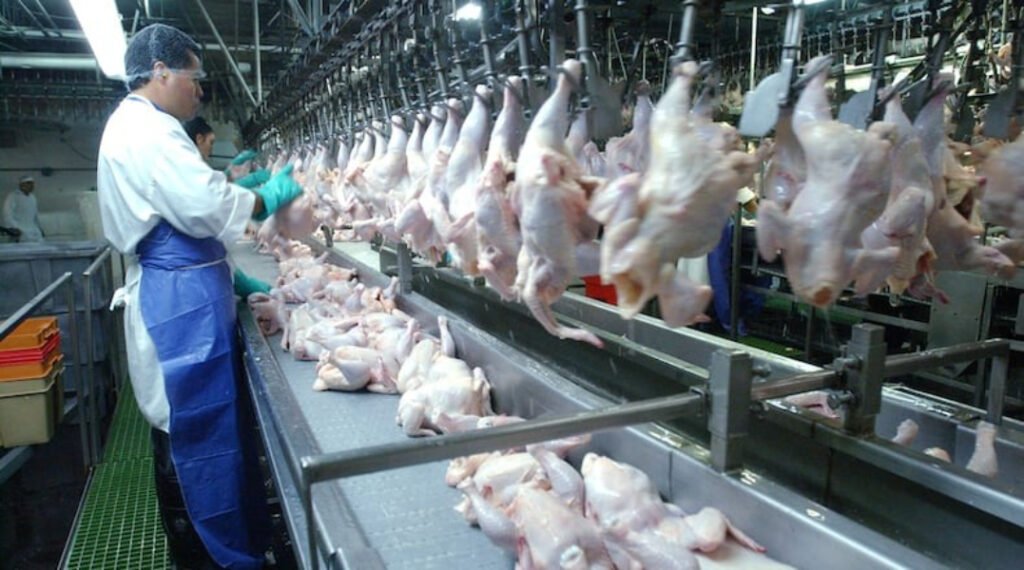
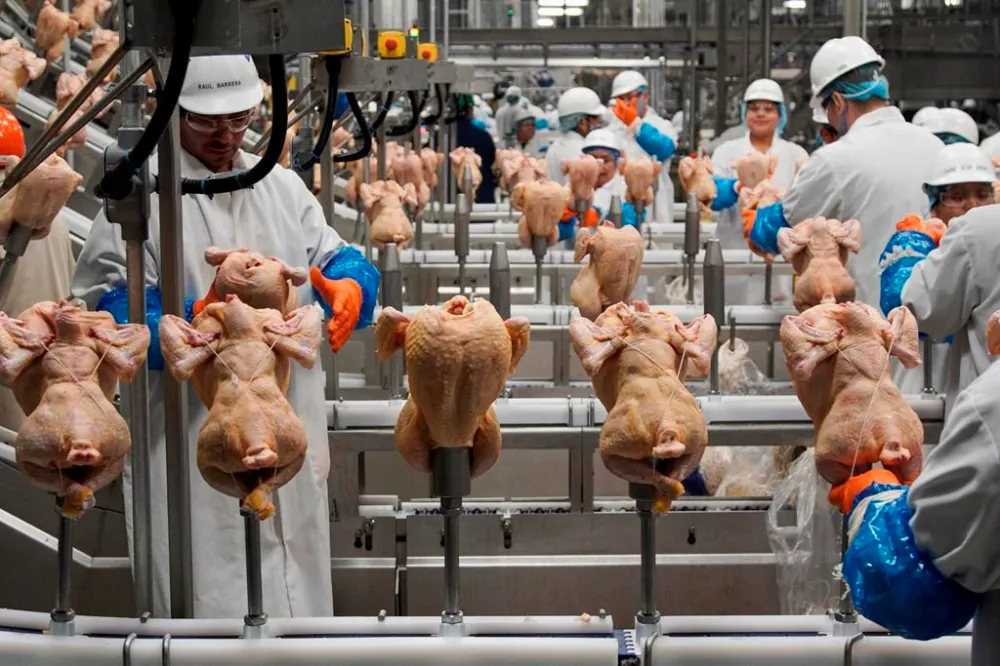
Automation and robotics in processing plants to boost efficiency and food safety.
These innovations not only increase productivity but also strengthen trust among importers seeking transparency and consistency.
9️⃣ The Global Outlook: What’s Next for Brazil Poultry Exports
Experts forecast that Brazil poultry exports will continue growing at an annual rate of 4–6% through 2030. With rising global demand for affordable protein, Brazil’s strategic advantage remains clear: abundant feed resources, advanced processing capabilities, and a strong reputation for quality.
Emerging opportunities include:
-
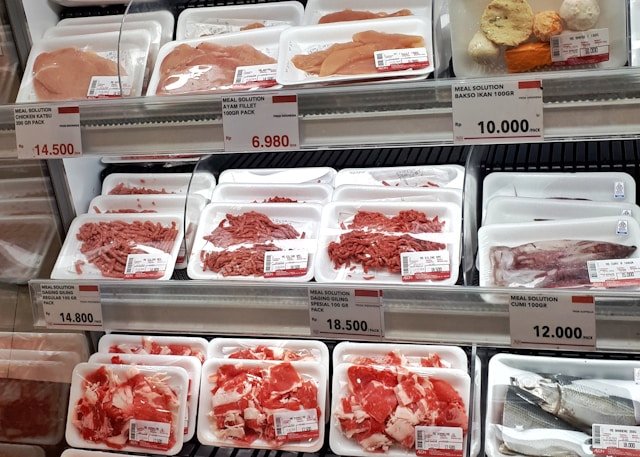
Value-added products such as marinated, pre-cooked, and processed chicken.
-
Sustainability certifications to attract eco-conscious markets.
-
Increased halal and kosher production to serve diverse consumer bases.
As global protein demand rises, Brazil’s poultry industry is set to play an even more pivotal role in ensuring food security and affordability worldwide.
Conclusion: Brazil’s Poultry Export Legacy
From humble beginnings to global leadership, the story of Brazil poultry exports is one of innovation, efficiency, and adaptability. In 2025, Brazil doesn’t just export poultry — it exports trust, quality, and reliability.
Whether it’s frozen chicken, frozen beef, or frozen pork, Brazilian exporters have set the benchmark for global protein trade. To learn more about Brazil’s growing meat export industry, visit the official Brazil Poultry Exports website for comprehensive insights and product listings.
As the world looks to the future of sustainable and high-quality food supply, Brazilian poultry exports will continue leading the way — feeding millions and shaping the future of global protein trade.