


For more than four decades, Brazilian halal chicken has been a preferred choice across the Middle East. From Saudi Arabia and the UAE to Kuwait, Qatar, Oman, and Bahrain, the region continues to rely on Brazilian poultry as its primary source of safe, high-quality, and reliably supplied chicken. But why does this trust remain so strong, especially in a world where food safety, disease prevention, and supply chain stability are under increasing scrutiny?
The answer lies in two pillars of Brazil’s poultry industry:
✔ World-leading biosecurity standards
✔ A robust regionalization system recognized and accepted globally
Together, they not only ensure safe and consistent halal chicken production but also protect Middle Eastern importers from supply disruptions. In this in-depth article, we’ll explore why Brazilian halal chicken continues to earn—and keep—the confidence of Middle Eastern markets, and how these systems have made Brazil the world’s leading poultry exporter.
1. The Middle East’s Longstanding Partnership With Brazil


The Middle East’s reliance on Brazil for poultry imports began decades ago, rooted in a combination of factors:
Limited domestic poultry production capacity in desert climates
High demand for halal-certified products
Year-round consumption of poultry as a staple protein
Established logistics routes between Brazil and GCC countries
Over time, Brazilian producers became known not just for quantity, but for:
Consistent halal integrity
Uniform product quality
Competitive pricing
Long-term reliability and food safety
As geopolitical challenges, avian diseases, and trade fluctuations affected global producers, Brazil remained stable. And that stability matters deeply to food-import-dependent countries.
To explore Brazil’s export ecosystem and halal commitment, visit Brazil Poultry Exports.
2. Halal Compliance: A Foundation of Trust
Brazil is one of the world’s most advanced halal poultry exporters. What makes its certification trustworthy?
2.1 Strict Oversight by Islamic Authorities
Brazilian halal chicken is certified by internationally recognized Islamic organizations. These bodies audit:
Slaughter processes
Line operation
Staff training
Facility cleanliness
Traceability measures
2.2 Dedicated Halal Slaughter Teams
Trained Muslim professionals manage slaughter lines to ensure:
Proper invocation
Humane handling
Compliance with halal standards
2.3 Continuous Monitoring
Halal certification is not a one-time approval—the process is ongoing, with regular inspections to maintain compliance.
This unwavering commitment ensures that Middle Eastern consumers receive poultry that meets religious, cultural, and quality expectations without compromise.
3. Biosecurity: The Backbone of Brazilian Poultry Safety

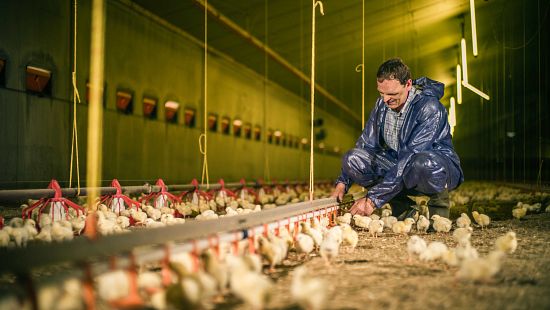

If one factor stands out above all others in maintaining Middle Eastern trust, it’s Brazil’s world-class biosecurity system. Brazil has been recognized globally for its ability to prevent poultry diseases and maintain consistent production even when other countries face outbreaks.
Below is a detailed inside look at the system.
3.1 Physical Isolation and Controlled Entry
Brazilian poultry farms follow strict rules:
Controlled access gates
Disinfection barriers
Air filtration systems
Protective clothing protocols
Only trained staff can enter production zones.
3.2 Continuous Monitoring and Testing
Farms undergo routine screening for pathogens, including:
Avian influenza
Newcastle disease
Salmonella
Campylobacter
Monitoring happens from hatcheries to processing plants, creating a fully traceable system.
3.3 All-In, All-Out Production Model
This method ensures:
Entire flocks are moved together
Facilities undergo complete cleaning between batches
No mixing of birds from different age groups
This drastically reduces disease transmission.
3.4 Controlled Supply Chains
Feed mills, hatcheries, breeders, and processors operate in integrated systems that ensure:
Consistent quality
Full traceability
Reduced contamination risks
These factors provide the safety assurance Middle Eastern importers value.
4. Regionalization: How Brazil Keeps Exports Flowing Even During Incidents

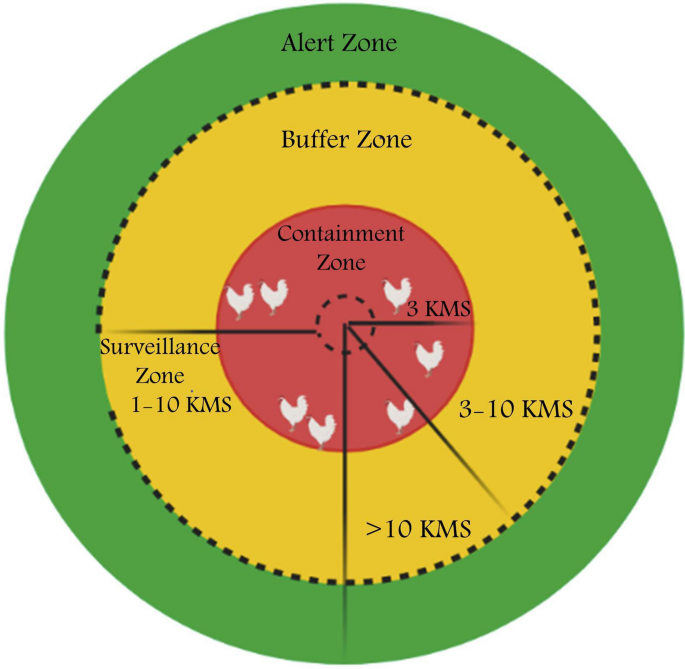
The principle of regionalization is one of Brazil’s greatest strengths—and one of the main reasons the Middle East has unwavering confidence in Brazilian chicken.
4.1 What Is Regionalization?
Regionalization allows a country to divide its territories into distinct health status zones. If a disease is detected in one specific area, only that area restricts operations—not the entire country.
4.2 Why Regionalization Matters to the Middle East
In food-import-dependent countries, supply interruptions can be serious. Regionalization ensures:
Continuous exports even during isolated animal health events
No disruption in GCC supply chains
Confidence that certified regions remain disease-free
Stable pricing due to reliable supply
This system is internationally recognized and aligned with OIE (World Organisation for Animal Health) guidelines.
4.3 Proven Success
Even during global avian influenza outbreaks, Brazil’s regionalization strategy has:
Isolated incidents quickly
Prevented nationwide shutdowns
Maintained export flows to Middle Eastern markets
This consistent performance reinforces long-term trust.
5. Halal and Biosecurity: Why They Strengthen Each Other
Halal requirements and biosecurity protocols naturally align:
| Halal Requirement | Matching Biosecurity Principle |
|---|---|
| Clean environment | Sanitization + controlled access |
| Healthy birds | Disease-free flock management |
| Ethical handling | Stress-free farming practices |
| Traceability | Integrated supply chains |
The combination creates a powerful assurance system that Middle Eastern importers value deeply.
6. Modern Technology Behind Brazil’s Poultry Excellence


Brazilian poultry companies continuously invest in technology to improve safety and reliability.
6.1 Automated Processing
State-of-the-art facilities help ensure:
Minimal human contact
Higher hygiene standards
Uniform halal-compliant cuts
6.2 Blockchain and Digital Tracking
Some exporters use digital traceability systems that allow importers to:
Track shipments
Validate certifications
Access quality reports
6.3 Climate-Friendly and Sustainable Production
Sustainability is increasingly important in Middle Eastern markets, and Brazil has been leading with:
Efficient feed conversion rates
Lower carbon footprint per kg of poultry
Advanced waste management systems
7. Logistics: A Well-Organized Path From Brazil to the Middle East
Efficient logistics add another layer of reliability:
Direct shipping routes via major ports (e.g., Santos, Itajaí)
Refrigerated containers preserving halal and biosecurity integrity
Strong relationships with Middle Eastern distributors
This system ensures punctual deliveries and fresh products for GCC markets.
8. Why Middle Eastern Retailers and Consumers Prefer Brazilian Chicken
The trust is reflected visibly in:
Major supermarket chains prominently featuring Brazilian brands
Restaurant and foodservice chains relying on Brazilian supplies
Government procurement programs using Brazilian poultry
Consumers prefer Brazilian halal chicken because it is:
Tender and consistently high-quality
Safe and certified
Affordable
Widely available
9. Looking Ahead: The Future of Brazil–Middle East Poultry Relations
Brazil’s long-term commitment to food safety, halal integrity, and disease prevention positions it as a strategic partner for the Middle East for decades to come. As regional populations grow, demand for poultry will rise—and Brazil is prepared to meet that demand with:
Scalable production
Strengthened regionalization rules
Continuous investment in biosecurity
Enhanced halal certification processes
10. Final Thoughts: Trust Built on Transparency and Proven Performance
Middle Eastern confidence in Brazilian halal chicken isn’t accidental—it is the result of:
Unmatched biosecurity protocols
Globally accepted regionalization systems
Robust halal certification
Reliable, traceable supply chains
Decades of consistent performance
Brazil has earned its place as the Middle East’s leading poultry supplier by combining science, faith, and technology into a single trustworthy system.
To learn more about Brazil’s poultry export capabilities, halal standards, and market insights, explore Brazil Poultry Exports.